What Is Backflow and Why Should You Care?
When you turn on the tap, you expect clean, safe water to flow out—but under certain conditions, water can move in the wrong direction within a plumbing system. This is known as backflow. When it occurs, contaminated water from a property can be pulled back into the public drinking water supply, creating a risk for other homes and businesses connected to that system. It’s important to note that a backflow prevention device does not protect a home or business from its own contaminated water. Instead, it protects the public water system and downstream properties by preventing contaminated water from flowing back into the shared supply.
This is why backflow testing is important. Backflow prevention devices are designed to stop contaminated water from flowing backward into the municipal water system. If pressure drops in the public water main—for example during a water main break, firefighting activity, or other high-demand situations—water inside a building’s plumbing system could potentially reverse direction. A properly functioning backflow prevention device ensures that contaminated water cannot enter the public supply and affect other homes and businesses connected to the system.
The Science Behind Backflow Prevention
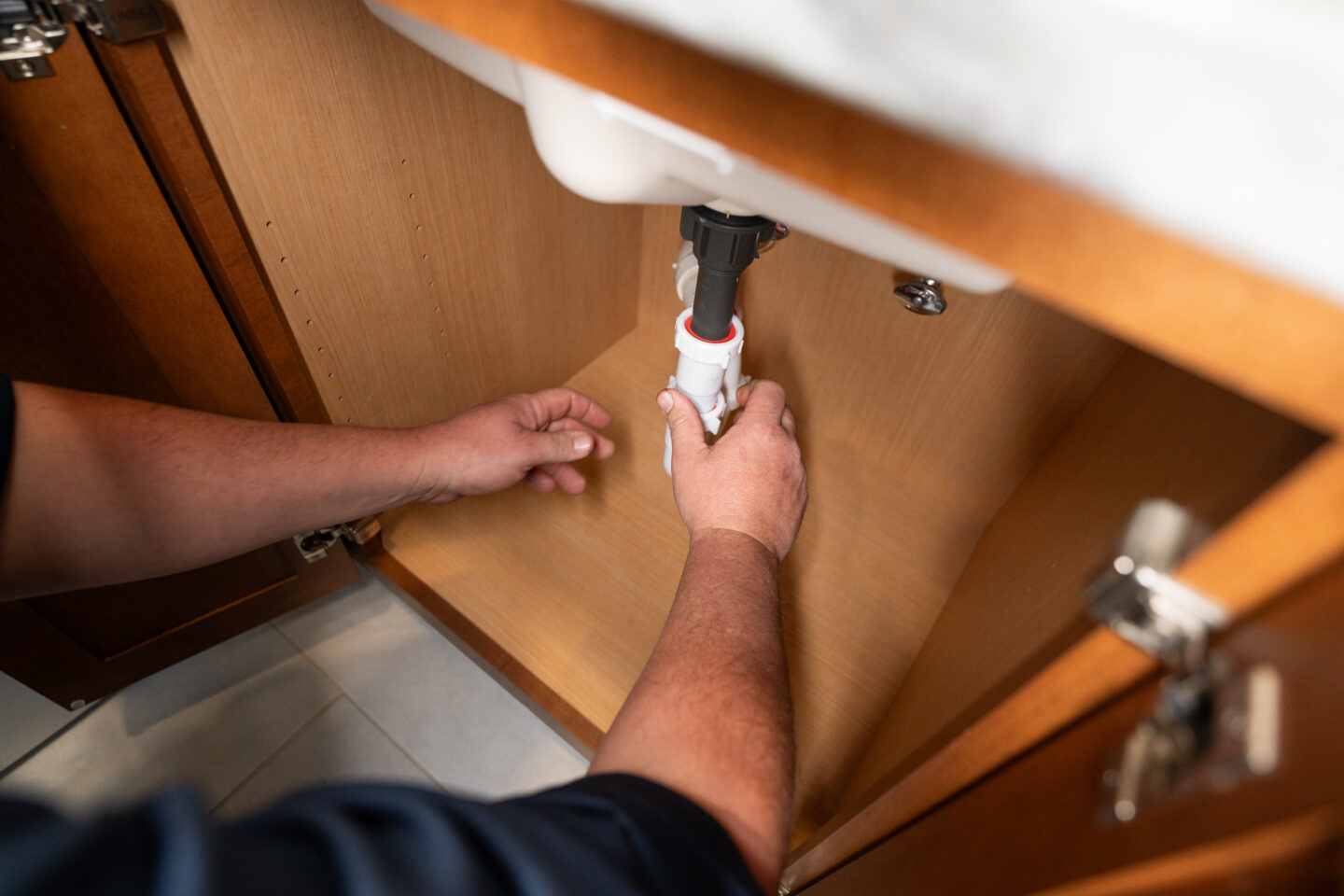
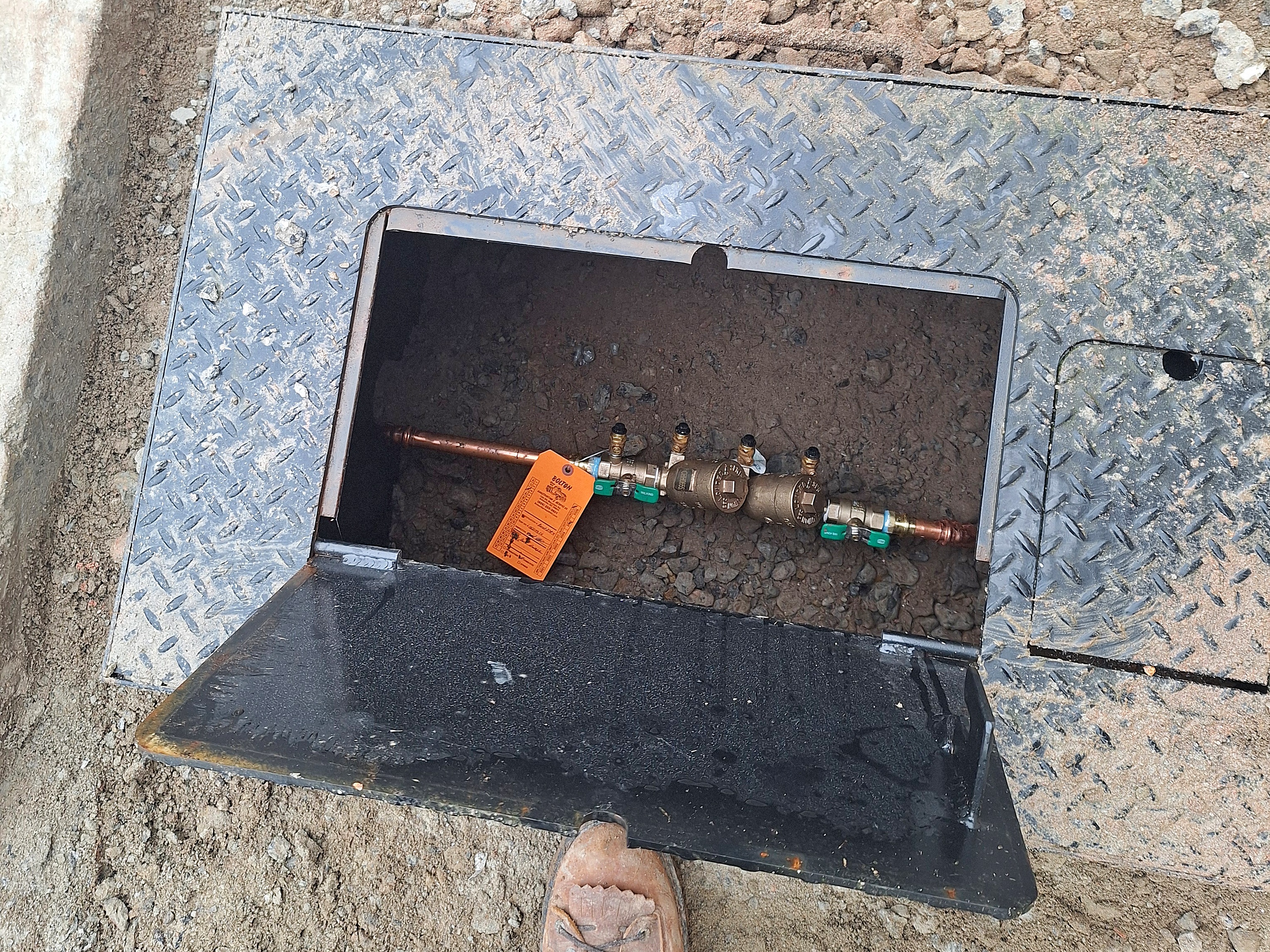
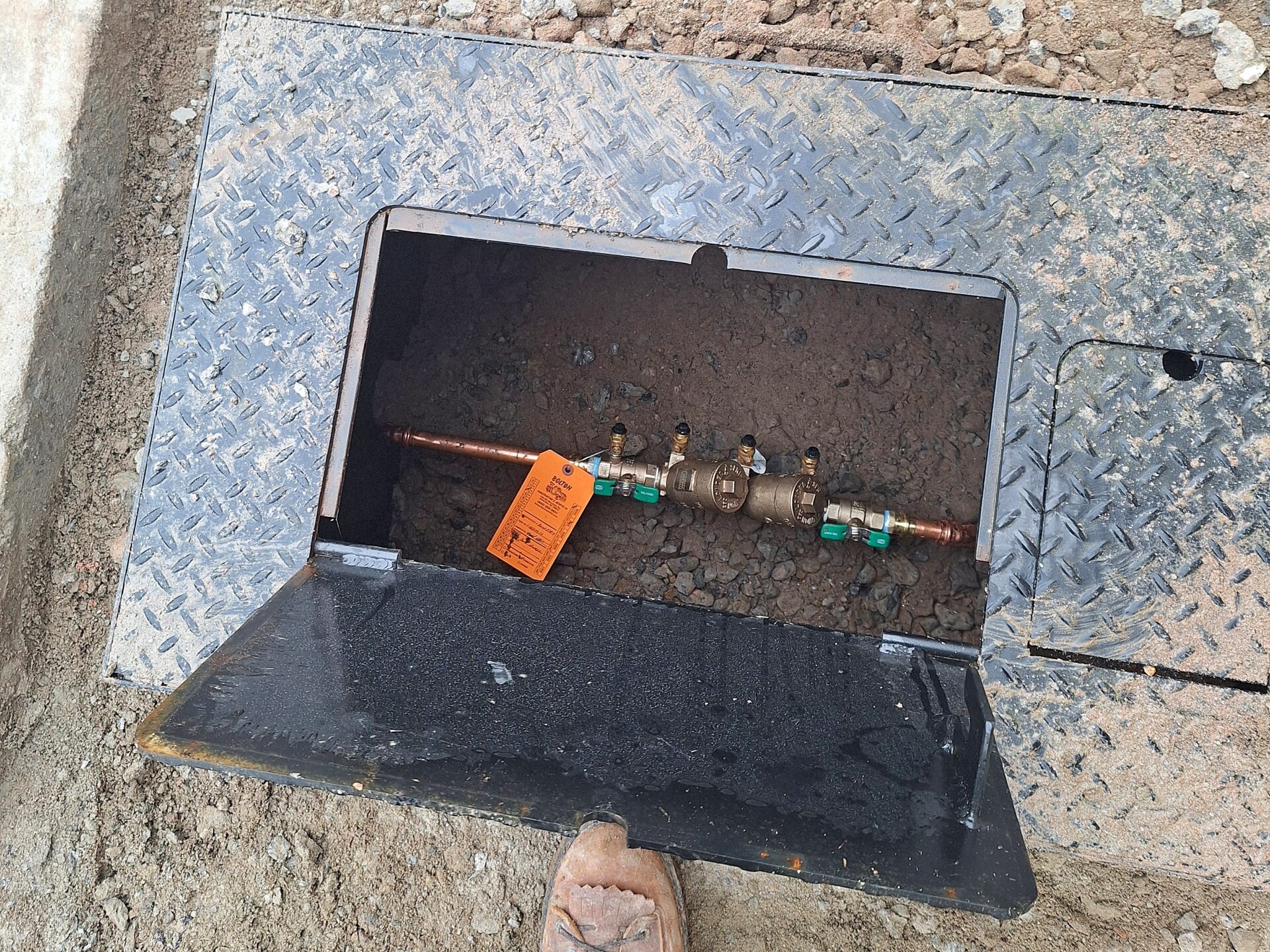
Backflow testing services involve evaluating the backflow prevention devices installed in plumbing systems. These devices, including reduced-pressure zone (RPZ) valves and double-check assemblies, allow water to flow forward but prevent it from reversing direction. However, like any mechanical device, they can fail over time due to wear, debris, or improper installation.
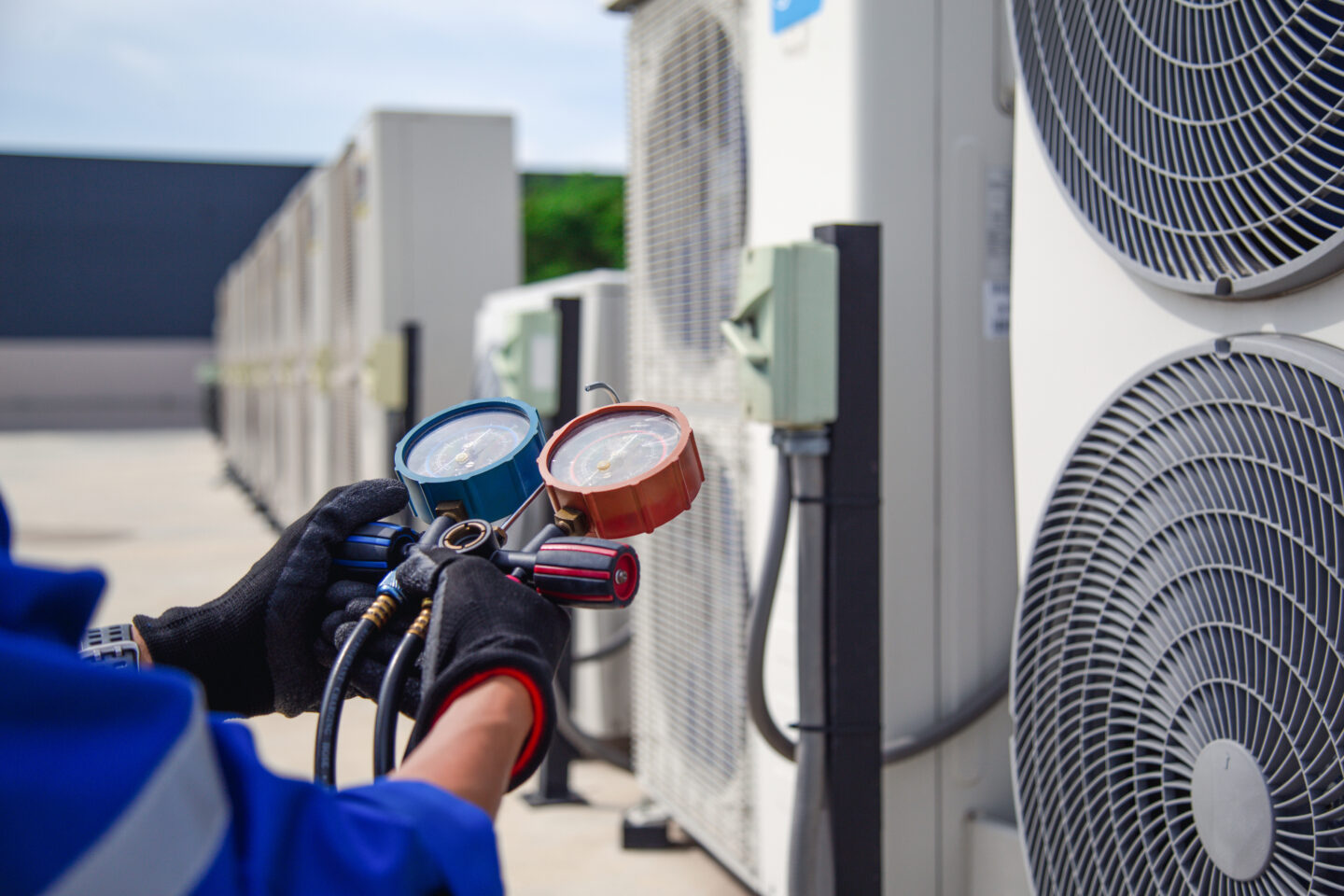
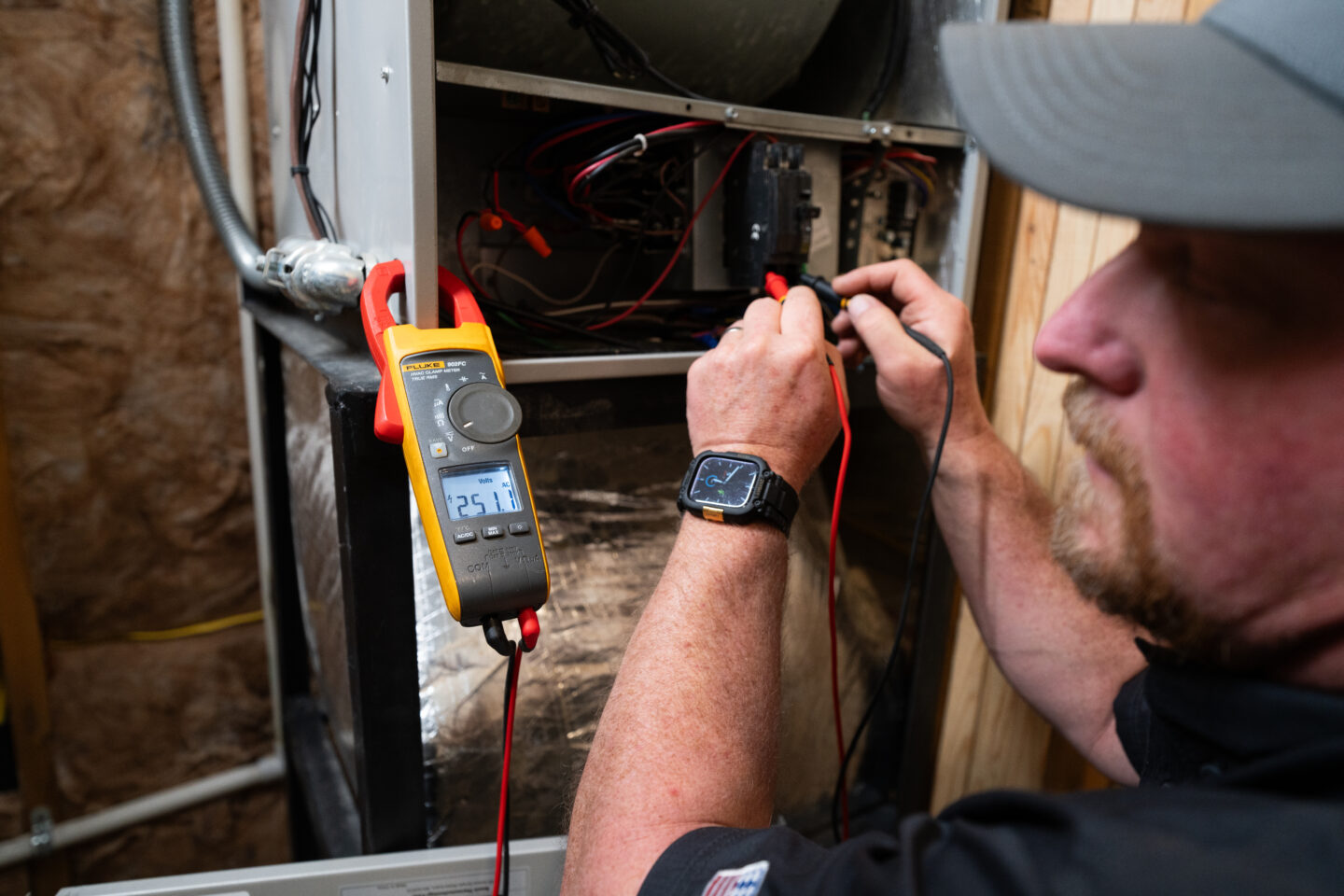
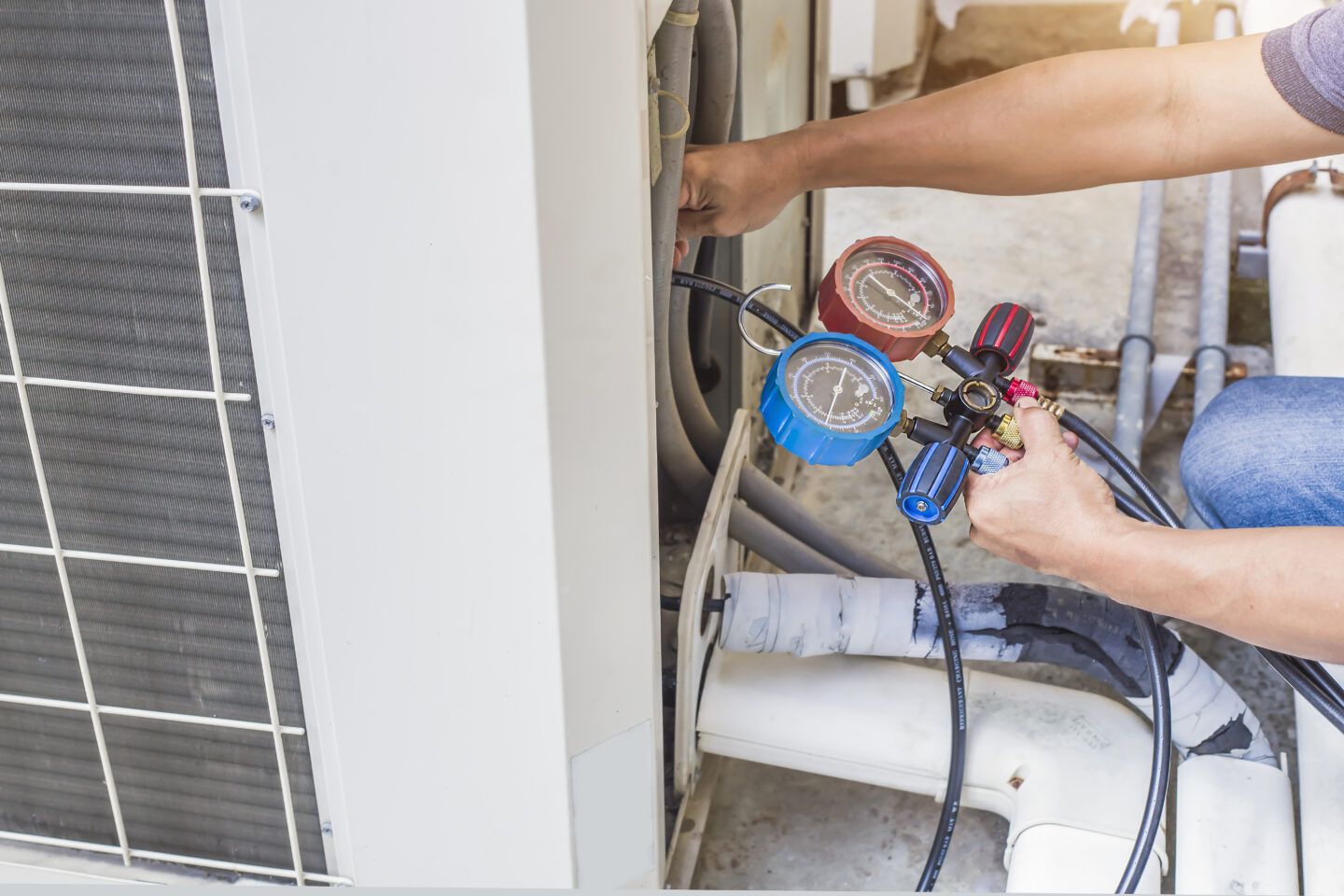
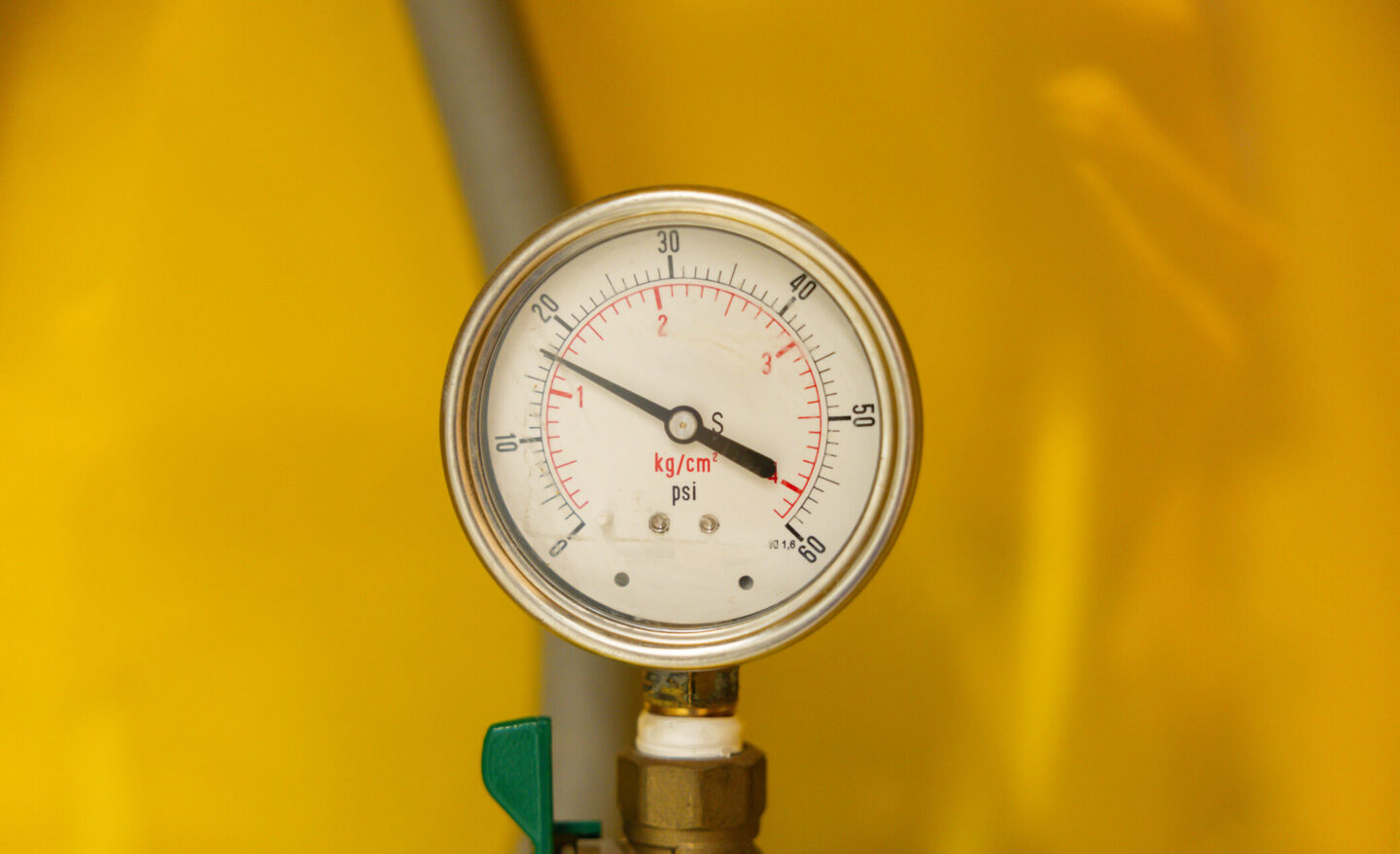
During professional testing, certified technicians use specialized equipment to simulate backflow conditions and verify that the prevention devices are functioning correctly. This process typically involves measuring differential pressure across the device, checking for leaks, and ensuring internal components operate properly. In most jurisdictions, testing must be completed annually and documented to meet regulatory compliance.
When to Schedule Professional Backflow Testing
Many commercial properties and facilities with irrigation systems, fire suppression systems, or other specialized plumbing infrastructure are required by local regulations to have backflow testing and repair performed annually.
Routine testing ensures that backflow prevention assemblies are functioning properly and continue to meet municipal safety and compliance requirements. Testing may also be necessary following plumbing modifications, system upgrades, or other work that could affect the operation of a backflow prevention device.
Plumber backflow testing should always be performed by certified professionals who understand local codes and have the proper equipment. At Bolton Services, our experienced technicians service a range of backflow prevention assemblies throughout Asheville and Weaverville. We provide comprehensive testing, documentation, and any necessary repairs to help ensure systems remain compliant with local regulations and public water safety hazards.
Protect the Community Water Supply with Expert Testing
Backflow prevention devices play a critical role in protecting the public water system. Regular backflow testing services help confirm that these devices continue to function properly and prevent contaminated water from re-entering the public water supply and impacting other homes and businesses.
Contact Bolton Services today to schedule testing. Our experienced technicians provide thorough testing, documentation, and service to help ensure compliance with water safety requirements throughout Western North Carolina.