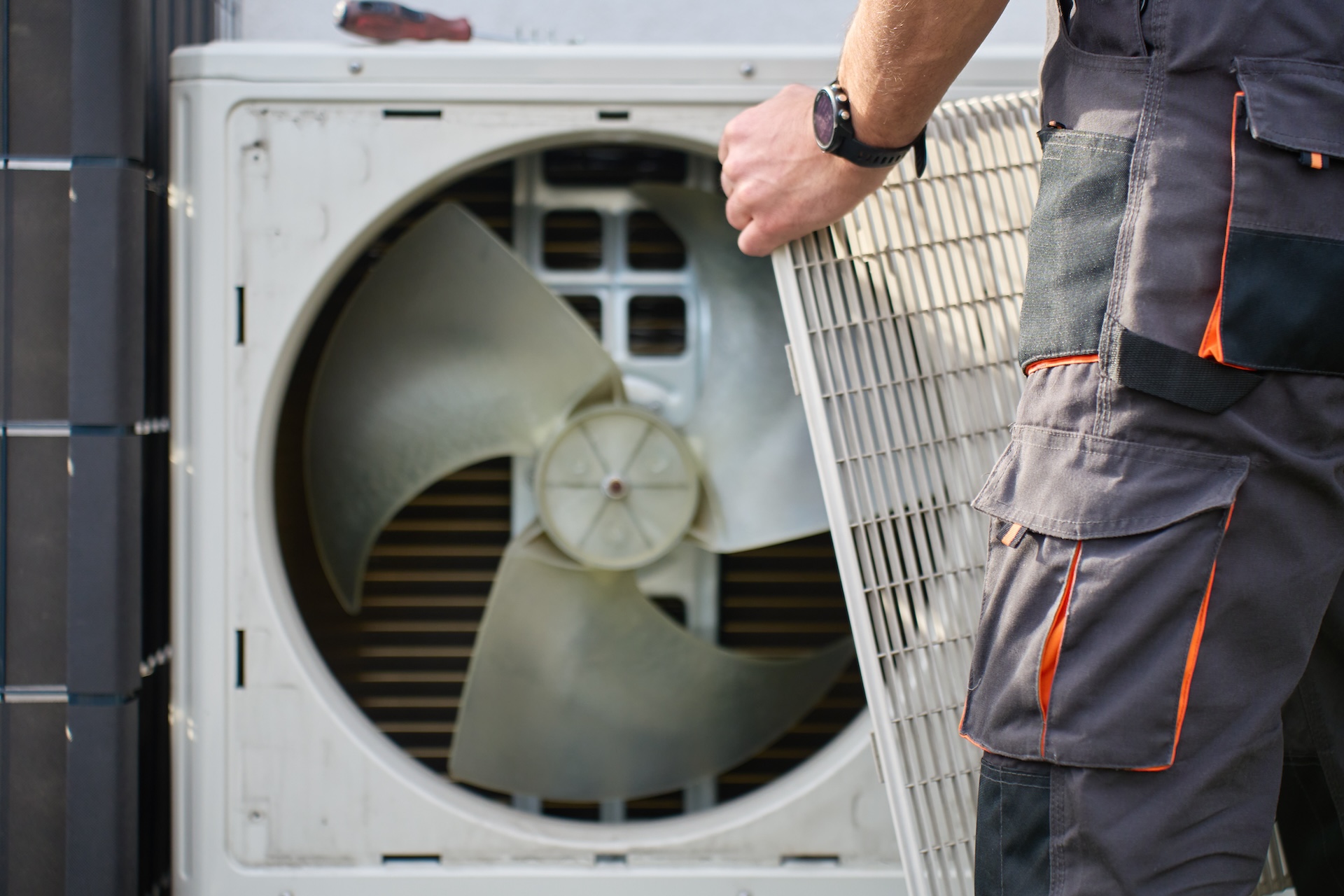
If you’ve been thinking about upgrading your home’s heating and cooling system, a heat pump is one of the smartest investments you can make. Heat pumps offer year-round comfort by efficiently heating and cooling your space. Before you move forward, however, it’s important to understand the requirements for a proper installation. Whether you’re a homeowner in Weaverville or a commercial property owner in Western North Carolina, knowing what to expect can save you time, money, and frustration down the road.
What Is a Heat Pump and Why Is It Worth the Investment?
A heat pump works by transferring heat rather than generating it. In the winter, it pulls heat from outdoor air and moves it inside your home. In the summer, it reverses that process to keep your space cool. Because it moves heat rather than burning fuel to create it, a heat pump can be significantly more energy-efficient than traditional HVAC systems. That efficiency translates directly into lower monthly utility bills, which is a major win for homeowners and commercial clients alike. If you’re considering heat pump services for the first time, understanding the installation process is the logical first step.
Key Requirements Before Installation Begins
Proper heat pump installation in Weaverville, NC, starts with a thorough assessment of your property. Here are the primary requirements your technician will evaluate:
Sizing and Load Calculation: Every home or commercial building is different. Before selecting a unit, your HVAC technician will perform a Manual J load calculation to determine exactly how much heating and cooling capacity your space requires. An undersized unit will run constantly without meeting your comfort needs, while an oversized unit will short-cycle and wear out prematurely.
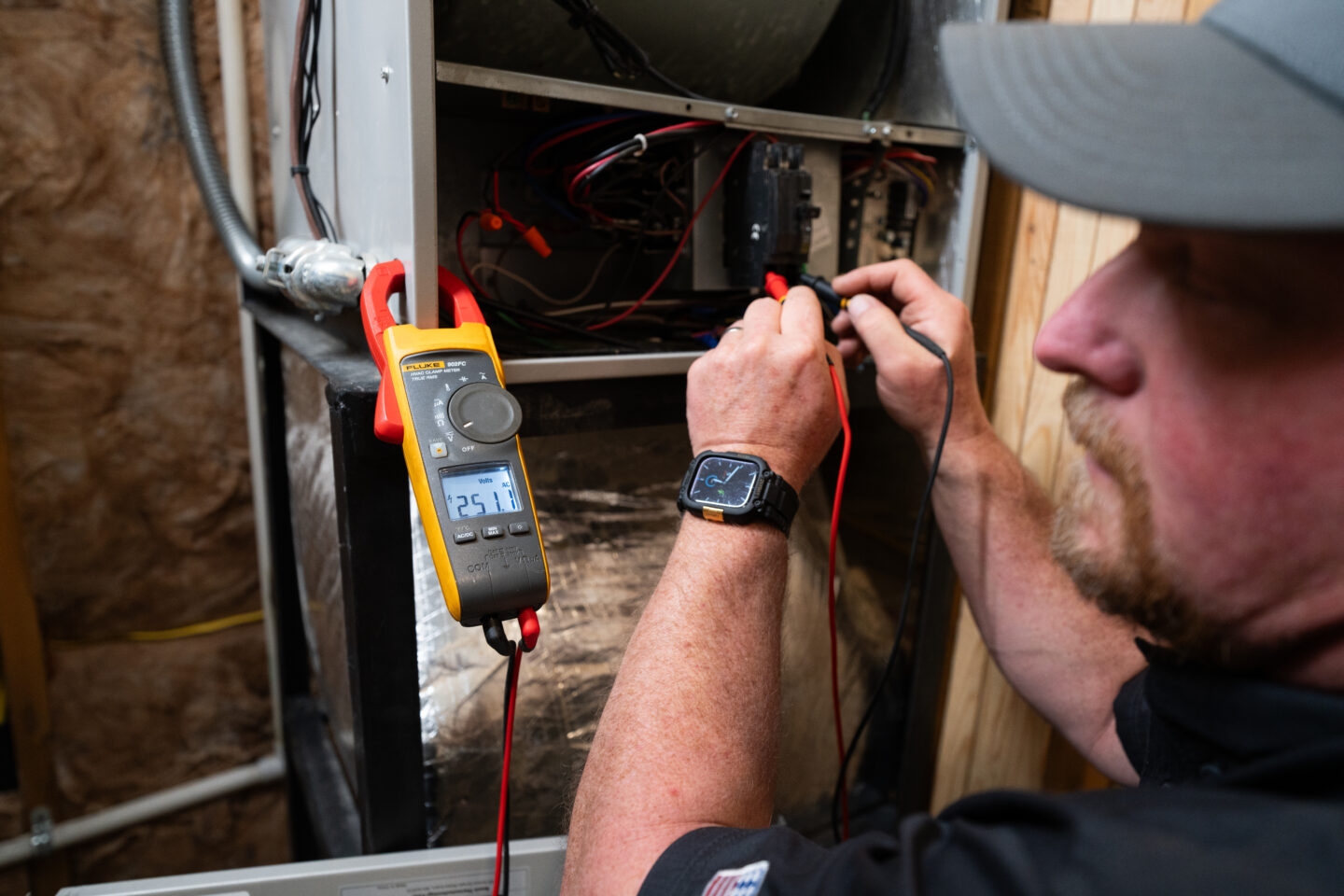
Electrical Infrastructure: Heat pumps require a dedicated electrical circuit, typically 240 volts. Older homes may need an electrical panel upgrade before installation can proceed. Your technician will assess your current setup and flag any upgrades needed.
Outdoor Unit Placement: The outdoor unit must be placed on a level surface with adequate clearance on all sides to ensure airflow. It should be elevated slightly off the ground in areas prone to snow or flooding and positioned away from shrubs, fences, or structures that could restrict ventilation.
Ductwork Evaluation: If your home already has ductwork, your technician will inspect it for leaks, blockages, or inadequate sizing. Poorly sealed ducts can undermine the efficiency of even the best heat pump. Alternatively, if you’re considering a ductless mini-split heat pump, no existing ductwork is required, making it a flexible option for older homes or additions.
Permits and Local Code Compliance: All heat pump installations in North Carolina must comply with state and local building codes. A qualified HVAC contractor will handle the necessary permits and ensure the installation meets all code requirements. This protects your investment and keeps your home insurance valid.
The Importance of Ongoing Heat Pump Maintenance
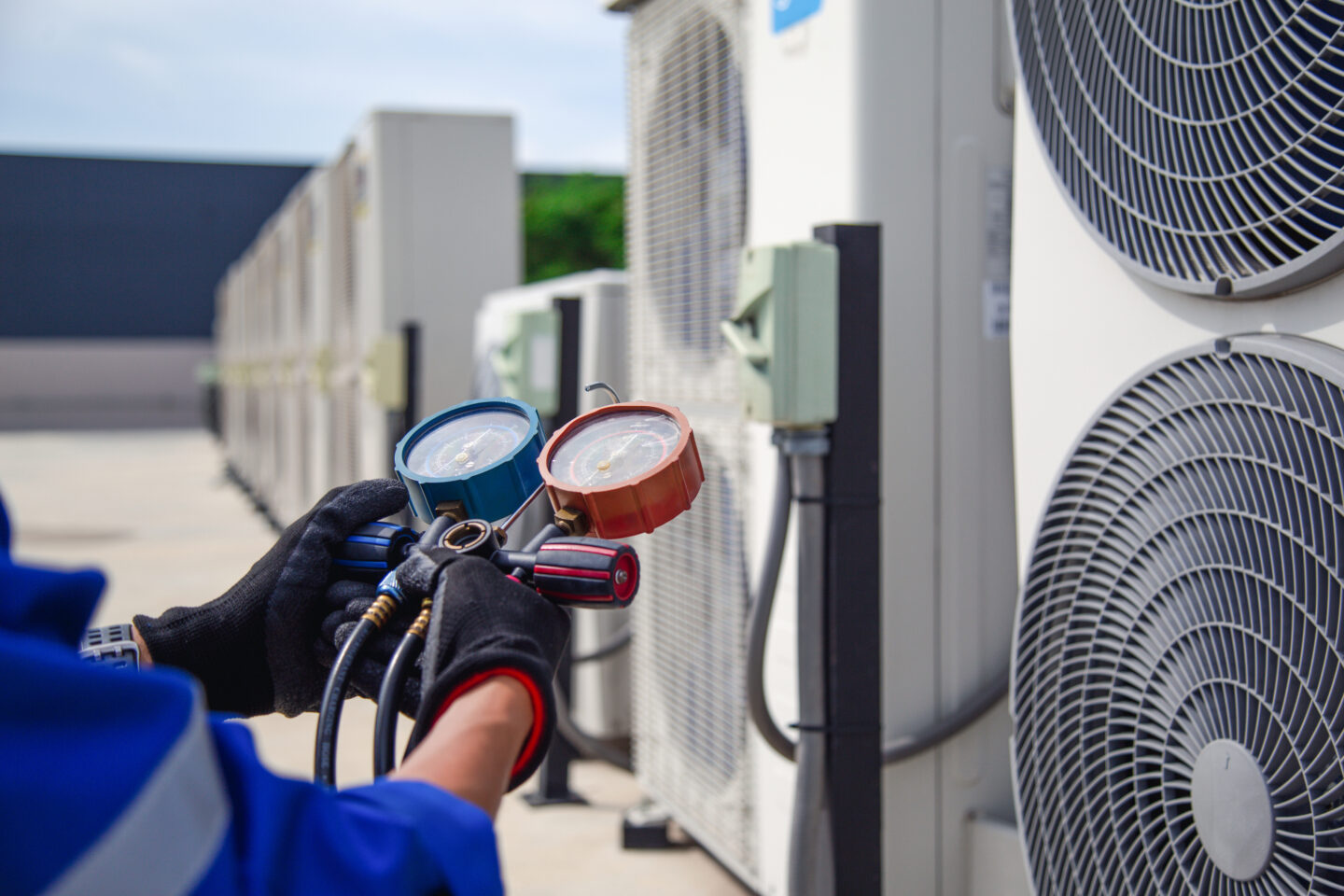
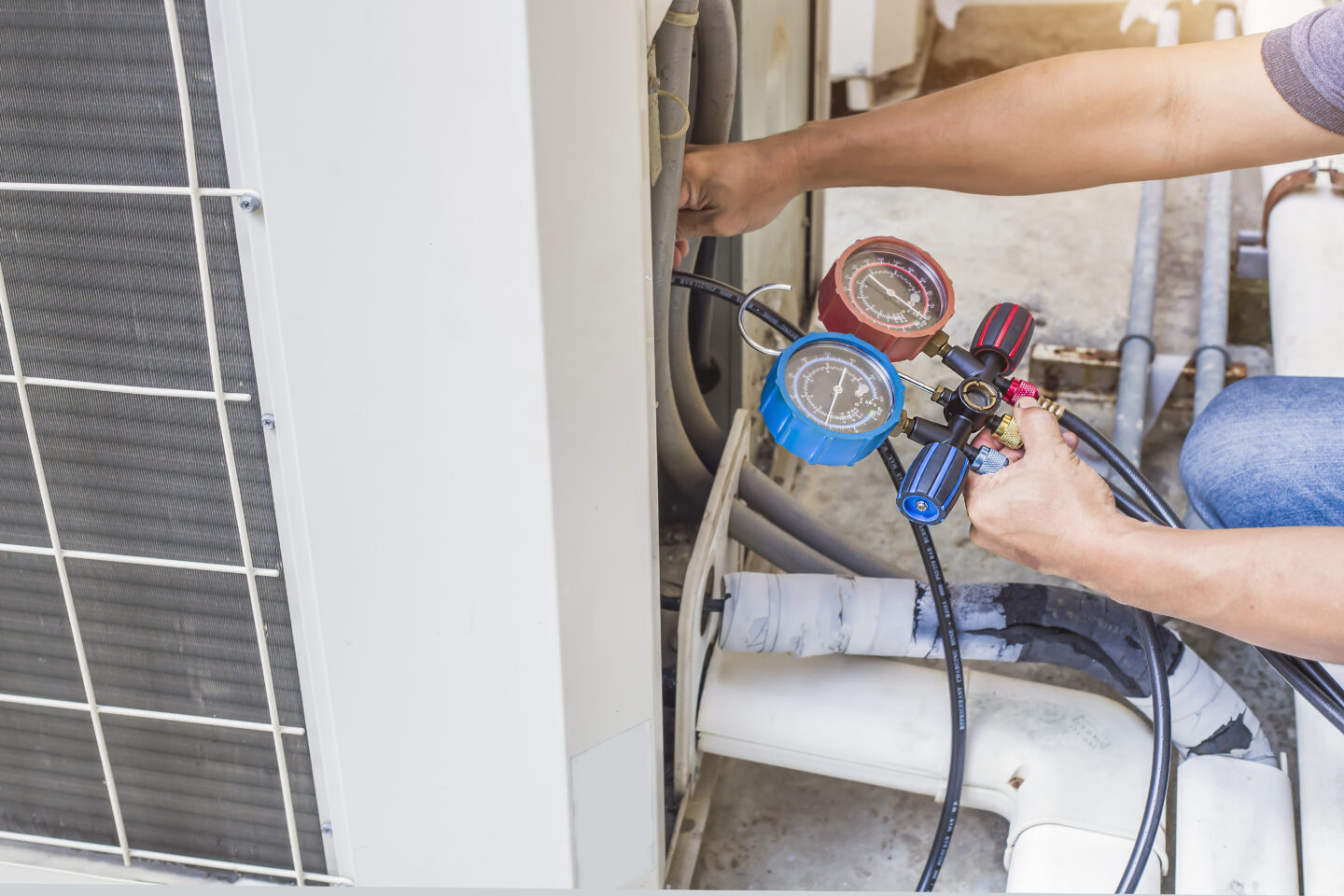
Once your heat pump is installed, regular upkeep is what keeps it running at peak performance for years to come. Routine heat pump maintenance includes cleaning or replacing air filters every one to three months, inspecting refrigerant levels, cleaning the outdoor coil, and checking electrical connections and controls. Scheduling professional maintenance once or twice a year, typically in the spring and fall, helps catch small issues before they become expensive problems.
Neglecting maintenance is one of the most common reasons heat pumps underperform or fail prematurely. If you’re ever unsure about the condition of your system, don’t wait. Proactive care is always more affordable than emergency repairs.
Recognizing When You Need Heat Pump Repair
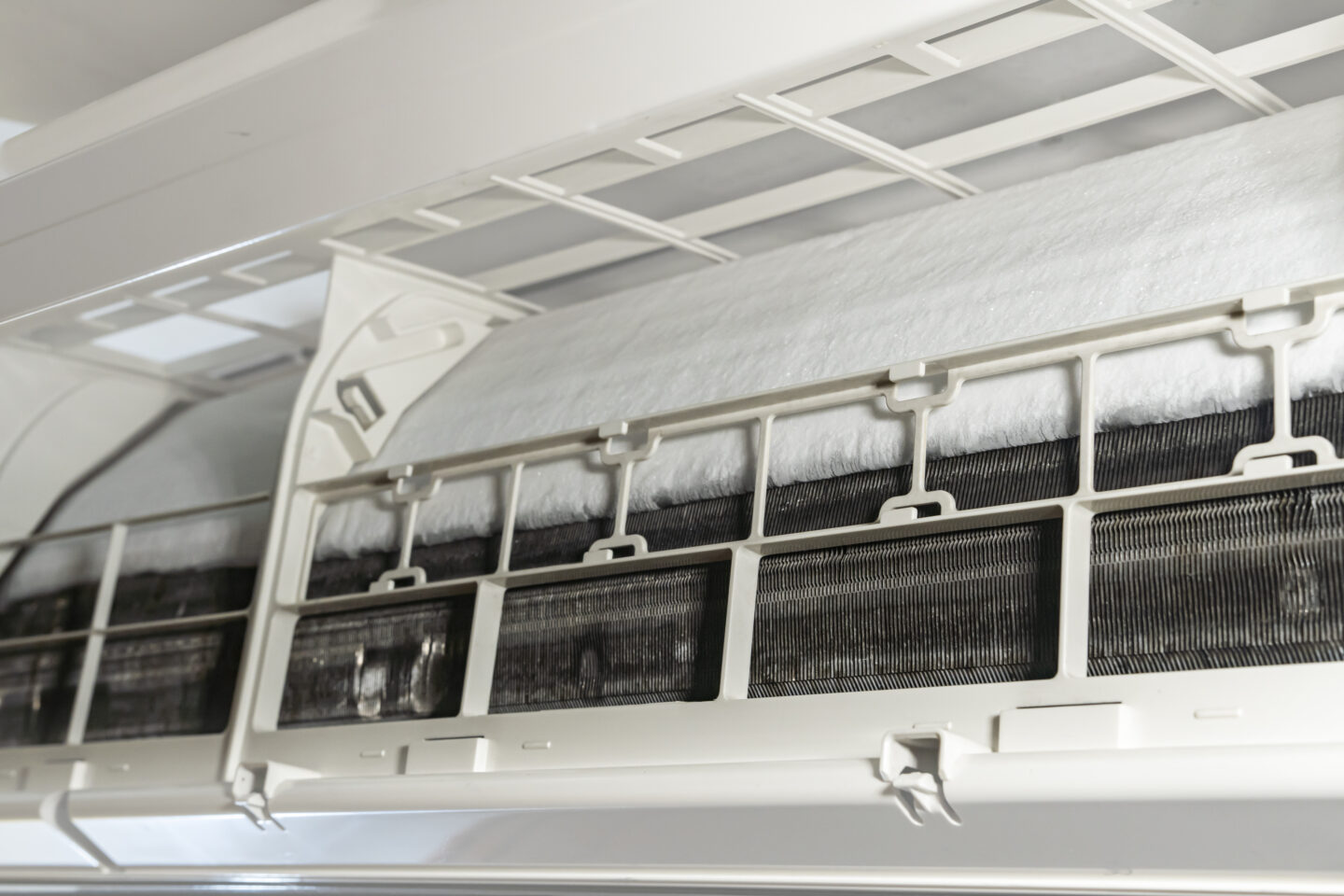
Even well-maintained heat pumps occasionally need professional attention. Common signs that it’s time to schedule heat pump repair include unusual noises like grinding or squealing, inconsistent temperatures throughout your home, a sudden spike in energy bills, ice buildup on the outdoor unit, or a system that frequently trips the circuit breaker. These symptoms often point to refrigerant issues, motor problems, or sensor malfunctions, all of which a qualified technician can diagnose and resolve quickly.
Ignoring these warning signs can turn a minor repair into a full system replacement. The sooner you address the issue, the better the outcome and the lower the cost.
Trust Bolton Services for Your Heat Pump Needs
At Bolton Services, we’ve helped homeowners and businesses across Western North Carolina navigate everything from initial system selection to long-term performance. Our experienced HVAC technicians understand the region’s unique climate demands and are trained to deliver reliable, code-compliant installations. Whether you’re exploring heat pump services for the first time or need to schedule a repair or tune-up on an existing system, our team is ready to help. Contact Bolton Services today to schedule a consultation and take the first step toward year-round comfort and energy efficiency.